Pro Tips
Music Release checklist - Step-by-step guide for artists

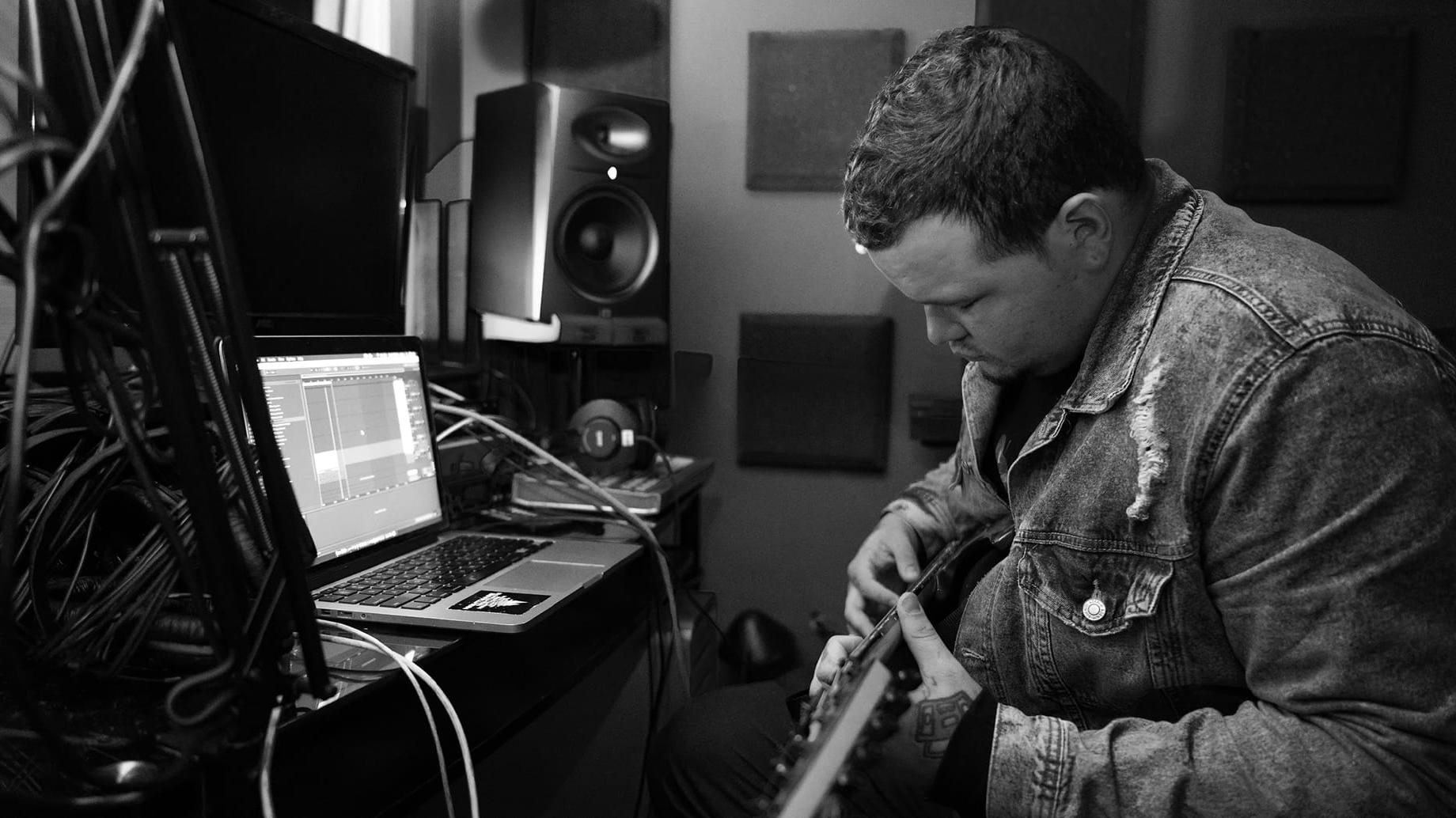
Dropping a song in today’s streaming is launching a campaign. It’s not just about uploading your track and hoping it blows up. You’ve got to think about strategy, timing, marketing, fans… The whole deal. This guide breaks down everything you need to do, step by step, to give your single the best shot at making noise and turning listeners into lifelong fans.
Step 1: Upload your track to a distributor (4–6 weeks out)

First things first: get your song onto streaming platforms.
Use your trusted distributor, or an aggregator like Distrokid, TuneCore, AWAL, or Ditto, and set your release date 4 to 6 weeks in advance. That gives you the breathing room to set up your rollout properly.
When uploading,** double-check your metadata**. This stuff matters a lot.
Think of metadata like the digital DNA of your song. If your title, artist name, ISRC, or genre is wrong, it can mess with how your track gets discovered, credited, or even paid out.
Metadata done right means your song shows up in the right places, gets tracked properly, and is ready for bigger opportunities down the line.
Also, set up a pre-save link and add it to your social bios. Most distributors have a free feature for that, and it’s a low-effort way to start building hype and get fans ready to stream on day one.
Step 2: Build a killer EPK (4 weeks out)
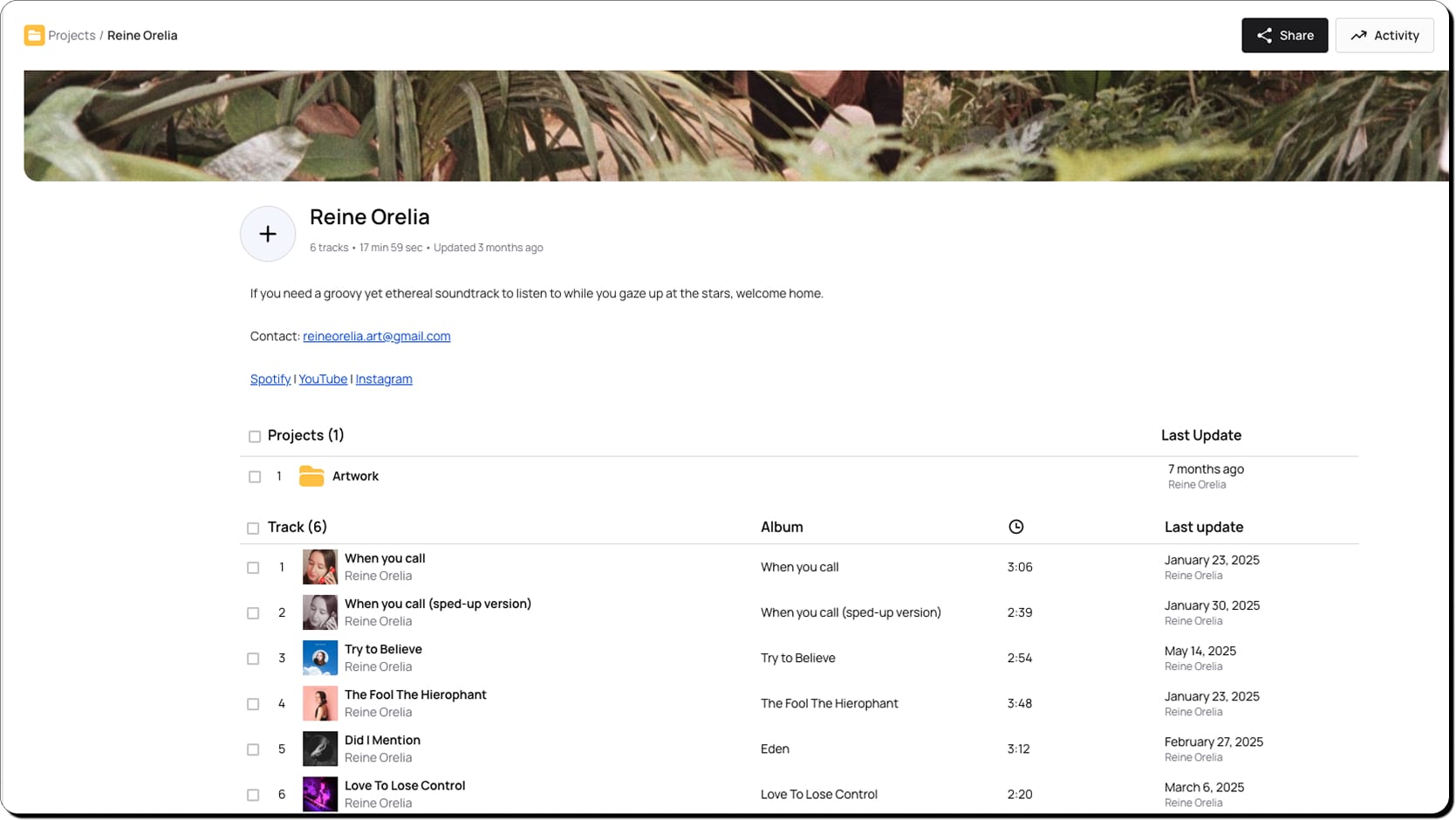
Before you start hitting up blogs or curators, you need a solid Electronic Press Kit. Think of it as your business card. Tools like Bridge.audio make it super easy to create sleek EPKs with your music, artist bio, high-res photos, lyrics, contact info and links. Plus - with your Bridge EPK, you’ll get notified every time someone you’ve reached out to has listened to your project.
Make sure your EPK tells your story clearly. What’s this song about? What makes you different? Give the press everything they need to cover you without hunting around. Keep it neat, easy to click through, and don’t forget to include your socials and streaming links.
Step 3: Start press outreach (3–4 weeks out)

Time to get the word out. Start pitching your track to blogs, tastemakers, and music media that fit your vibe.
Look at where similar artists are getting featured, search for submission pages (many outlets have a page or email for it listed on their site), and check Instagram bios for contact info. Yep, you’re a detective now.
If you need some help finding contact info, Try Groover. It directly connects you with press, media and curators, and you’re guaranteed a response.
Pro Tip! The way you pitch your music makes all the difference. If you want help writing the perfect pitch for your song, Bridge.audio Discord channel offers a free AI tool that can analyze your song by mood, genre, vibe, theme and more, and write out a pitch you can actually use.
When you email people directly, keep it personal and short. Who you are, what the track is about, why it’s a fit for their outlet, and a link to your EPK. Done.
Step 4: Get on playlists (3–4 weeks out)
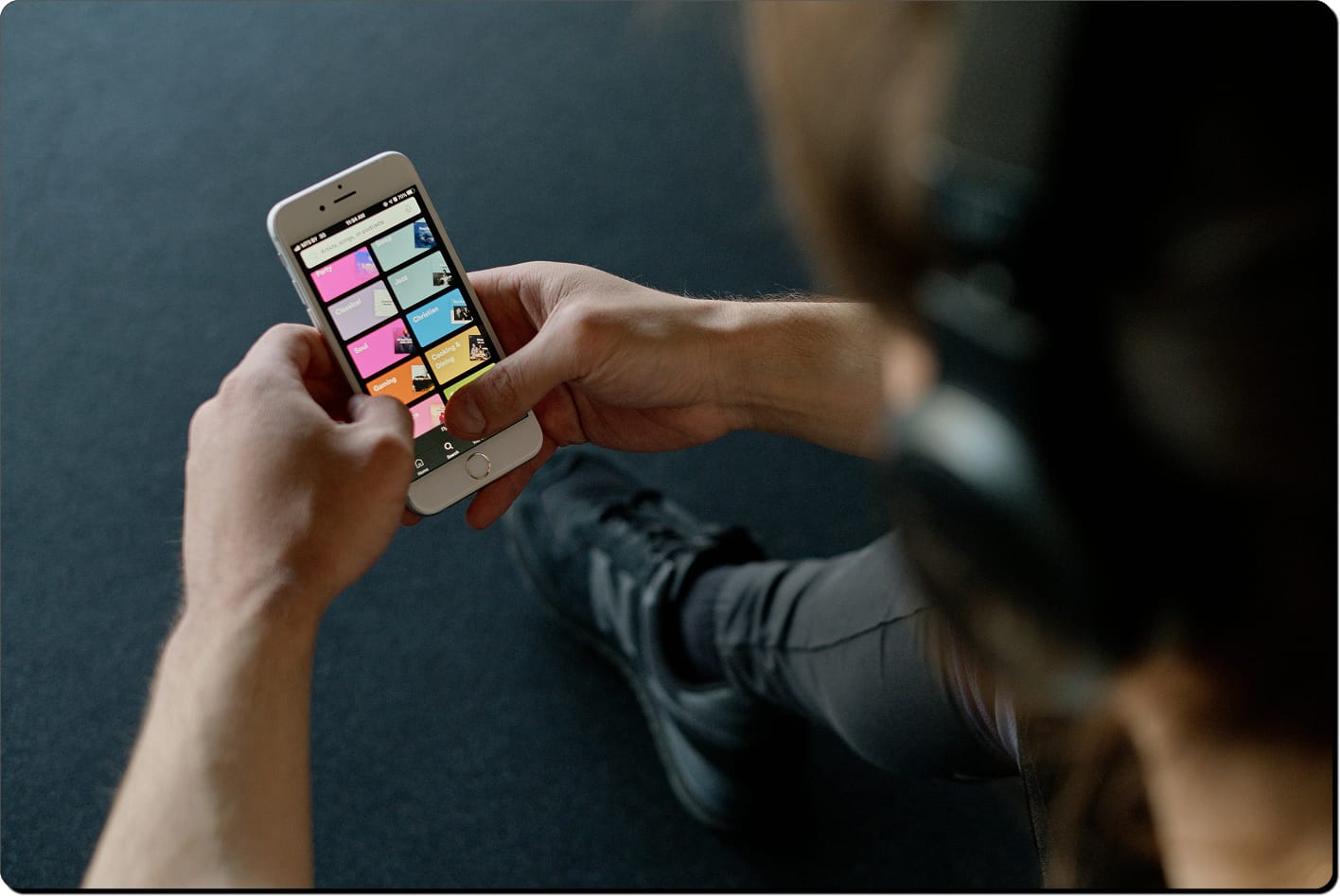
Playlists are still one of the best ways to get discovered. Submit your track to Spotify for Artists at least 7 days before release. The earlier, the better.
Want to go deeper? Use Groover again to pitch to indie curators directly, or get smart with PlaylistSupply. It helps you search by niche and gives you curator contact info.
The key: personalize your pitch. Show curators you actually listen to their playlists and explain why your track belongs there. Feel free to also use Bridge.audio AI on Discord to analyze your song and generate a detailed pitch. It’s free.
Step 5: Plan your social media rollout (3 weeks out)
Don’t post on the fly map it out.
Use Buffer, Notion, or even a simple Google Sheet to sketch out your content calendar.
A good content strategy mixes things up to keep your audience engaged: lyric videos, teaser clips, behind-the-scenes stuff, talking-head videos about the meaning behind the song, countdowns, and more.
Think about what content works best where. TikTok is your creative scrapbook, great for casual check-ins and effortless content. Instagram is your polished shopfront. YouTube is where you drop the full visuals, BTS vlogs, or acoustic versions.
Keep it fresh, and keep showing up. Algorithms love consistency.
Step 6: Run a paid ads campaign (2–3 weeks out)

Ready to reach more people outside your current followers? Paid ads can do the heavy lifting. But don’t just boost a post and hope for the best.
If you’re just starting out, begin with an awareness campaign something broad that introduces people to you and your sound. Once you’ve built some familiarity, retarget those same users with a conversion campaign aimed at getting actual streams or follows. If you’ve got a bit of a base already, you can run both campaign types at once bringing in new listeners while nudging your warm audience to take action.
Don’t want to learn how to do paid ads from scratch? Ctrl+Reach is built for artists and makes ad targeting, setup, and delivery much easier.
Step 7: Activate your superfans (2 weeks out)

Your biggest fans? They’re more valuable than 10,000 random playlist listeners. They’re the ones who’ll stream every release, show up to your gigs, and support you directly. Give them a reason to feel part of your journey.
Platforms like Patreon let you offer early access to the track, exclusive behind-the-scenes content, livestreams, or limited merch.
It’s about building loyalty, not just numbers.
Step 8: Release day: Go loud
Your track is live now’s the time to shout it from the rooftops. Drop your link everywhere. Post something personal about the song, tag collaborators, and thank the fans who’ve been waiting.
Be present. Repost fan stories. Reply to comments. Respond to DMs.
Engagement drives momentum, and momentum drives streams.
Step 9: Get your track ready for sync
Want your song in a Netflix show or a car commercial? That’s sync licensing and it’s a seriously good way to make money and get discovered.
Upload your track to Bridge Sync to get discovered for sync placements.
Step 10: Keep the momentum going (1–2 weeks after)
Just because the song is out doesn’t mean your job is done. Share reaction videos, fan content, or live acoustic takes. Thank your community. Drop a remix or a performance clip. Stay active and start laying the groundwork for what’s next. Every release builds on the last. A great release doesn’t just happen on launch day. It’s everything you do before, during, and after that sets you up for long-term wins. Use this checklist to turn your next drop into a full-blown moment, not just a post with a link.